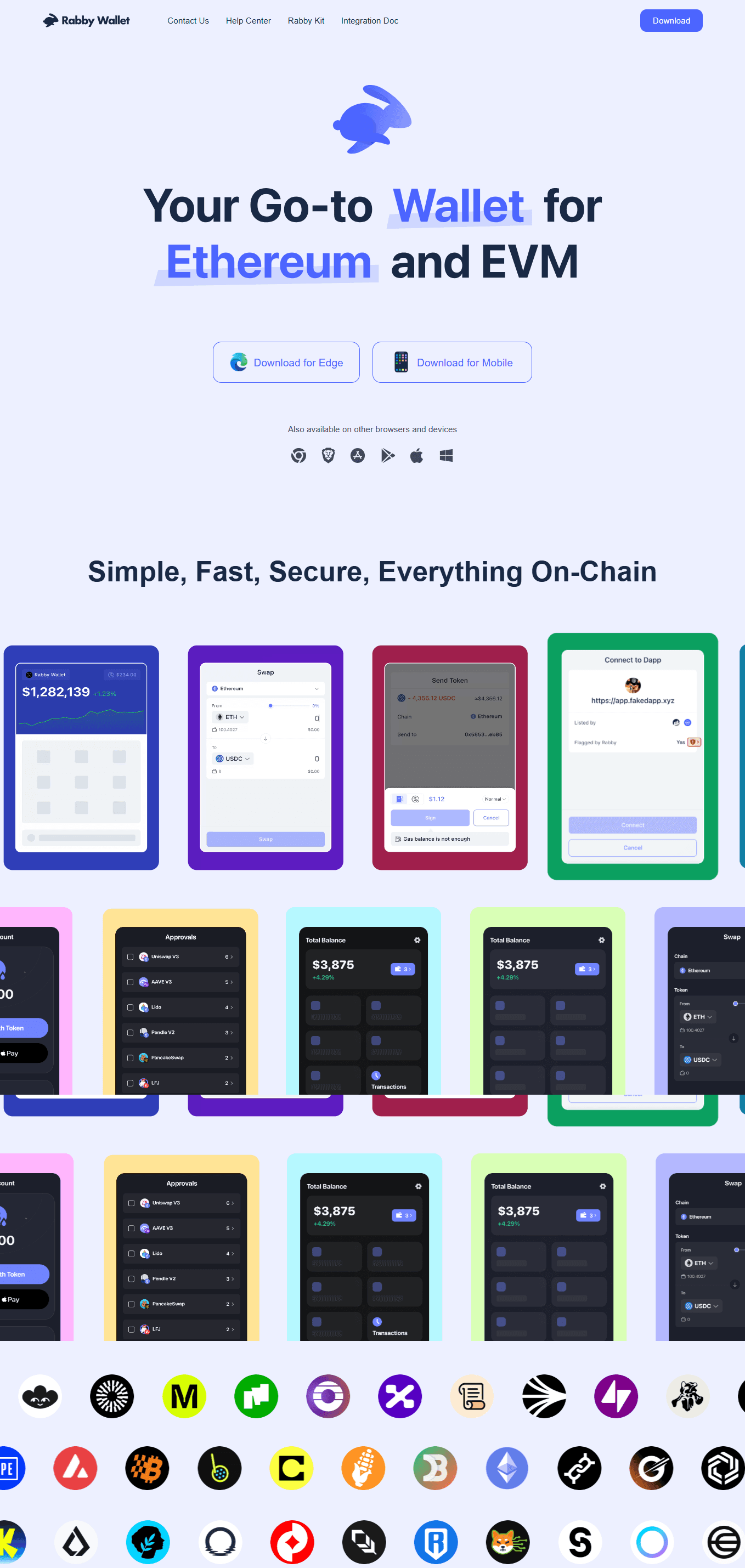
Rabby Wallet: A Comprehensive Guide to Secure Crypto Management
As decentralized finance (DeFi) continues to expand, managing multiple crypto assets across different blockchains has become increasingly complex. Users require wallets that are not only secure but also versatile and user-friendly. Rabby Wallet has emerged as a popular solution for crypto enthusiasts, traders, and DeFi users, offering a robust interface for managing assets, connecting to decentralized applications, and executing cross-chain transactions safely.
Rabby Wallet prioritizes user control, security, and seamless interaction with Web3 ecosystems, making it a suitable choice for both beginners and advanced users in the crypto space.
What Is Rabby Wallet?
Rabby Wallet is a non-custodial cryptocurrency wallet designed to provide users with full control over their digital assets. Non-custodial wallets mean that users retain ownership of their private keys, ensuring that only they have access to their funds. Unlike centralized exchange wallets, Rabby Wallet does not store user funds or private keys on servers, reducing exposure to hacks and unauthorized access.
Rabby Wallet is tailored for DeFi participants, NFT collectors, and multi-chain users, providing an intuitive interface while supporting multiple blockchains and token standards. Its features cater to the growing needs of Web3 users seeking secure, decentralized, and efficient wallet solutions.
Key Features of Rabby Wallet
Rabby Wallet offers a wide range of features designed to simplify crypto management while maintaining robust security. These include:
Multi-Chain Support
Rabby Wallet supports multiple blockchain networks, enabling users to manage assets across Ethereum, Binance Smart Chain, Polygon, and other major chains from a single interface. This reduces the complexity of handling separate wallets for different networks.
User-Controlled Private Keys
The wallet allows users to store private keys securely within the application or device. Because it is non-custodial, only the user can access the funds, significantly reducing the risk of centralized hacks.
Seamless DeFi Integration
Rabby Wallet enables direct interaction with decentralized finance protocols, including lending, staking, yield farming, and swapping. Users can connect the wallet to DeFi platforms securely without exposing private keys.
NFT and Token Management
Users can track, send, and receive both fungible and non-fungible tokens. The wallet provides a clear overview of NFT collections and token balances, helping users manage digital assets efficiently.
Transaction Safety and Approval
Rabby Wallet incorporates safety mechanisms to prevent errors and phishing attacks. Each transaction must be manually approved, and the wallet provides clear information about gas fees, token transfers, and contract interactions.
Cross-Chain Asset Management
For users managing multiple chains, Rabby Wallet simplifies the process of moving assets across different blockchains. It integrates with protocols that allow secure cross-chain swaps and transfers.
How to Set Up Rabby Wallet
Setting up Rabby Wallet is designed to be straightforward while maintaining high security standards.
Download and Install: Users can install the wallet on supported platforms, ensuring the source is verified and secure.
Create a New Wallet: During setup, users can generate a new wallet with a unique recovery seed.
Backup Recovery Seed: Rabby Wallet provides a 12- to 24-word seed phrase that is critical for wallet recovery. Users should write it down and store it securely offline.
Set Security Credentials: Users are prompted to create passwords or PINs to protect access to the wallet on the device.
Connect to Networks and Assets: Once set up, users can add supported networks and import token balances to begin managing their crypto portfolio.
Proper handling of the recovery seed and security credentials is essential to prevent unauthorized access and ensure the recoverability of funds in case of device loss.
Security Best Practices
Rabby Wallet emphasizes security, but users must follow best practices to ensure maximum protection:
Secure Your Recovery Seed: Never store recovery phrases digitally or online. Physical storage in a safe location is recommended.
Verify Transactions: Carefully review all transaction details before confirming, including recipient addresses and network fees.
Keep Software Updated: Regular updates improve security and introduce new features, so it is important to maintain the latest wallet version.
Avoid Phishing Attacks: Only interact with verified DeFi protocols and avoid suspicious links or third-party software.
Use Strong Access Credentials: Create complex passwords or PINs to protect wallet access on devices.
By adhering to these practices, users can reduce exposure to hacking attempts and maintain complete control over their digital assets.
Who Should Use Rabby Wallet?
Rabby Wallet is suitable for a variety of users in the cryptocurrency ecosystem:
DeFi Participants: Users engaging with lending, staking, or yield farming protocols benefit from secure, direct wallet interactions.
NFT Collectors: Those managing NFT collections across multiple networks can track and transfer assets easily.
Multi-Chain Users: Traders and investors operating on multiple blockchains can manage all assets in a single interface.
Advanced Crypto Users: Rabby Wallet’s transaction controls, multi-chain support, and DeFi integration appeal to sophisticated users requiring precise control.
Beginners: Its intuitive interface makes it accessible to new users while maintaining high security standards.
Conclusion
Rabby Wallet represents a secure and versatile solution for managing digital assets across multiple blockchains. By providing a non-custodial wallet experience, it ensures users retain full control of their private keys while enabling seamless interaction with DeFi protocols, NFTs, and cross-chain assets.
Whether for beginners or advanced crypto users, Rabby Wallet combines convenience, security, and functionality, making it an essential tool for anyone seeking a professional-grade cryptocurrency wallet. Proper setup, adherence to security best practices, and careful management of recovery phrases ensure that users can confidently manage and grow their digital assets in today’s evolving crypto landscape.